The guide
Print technology
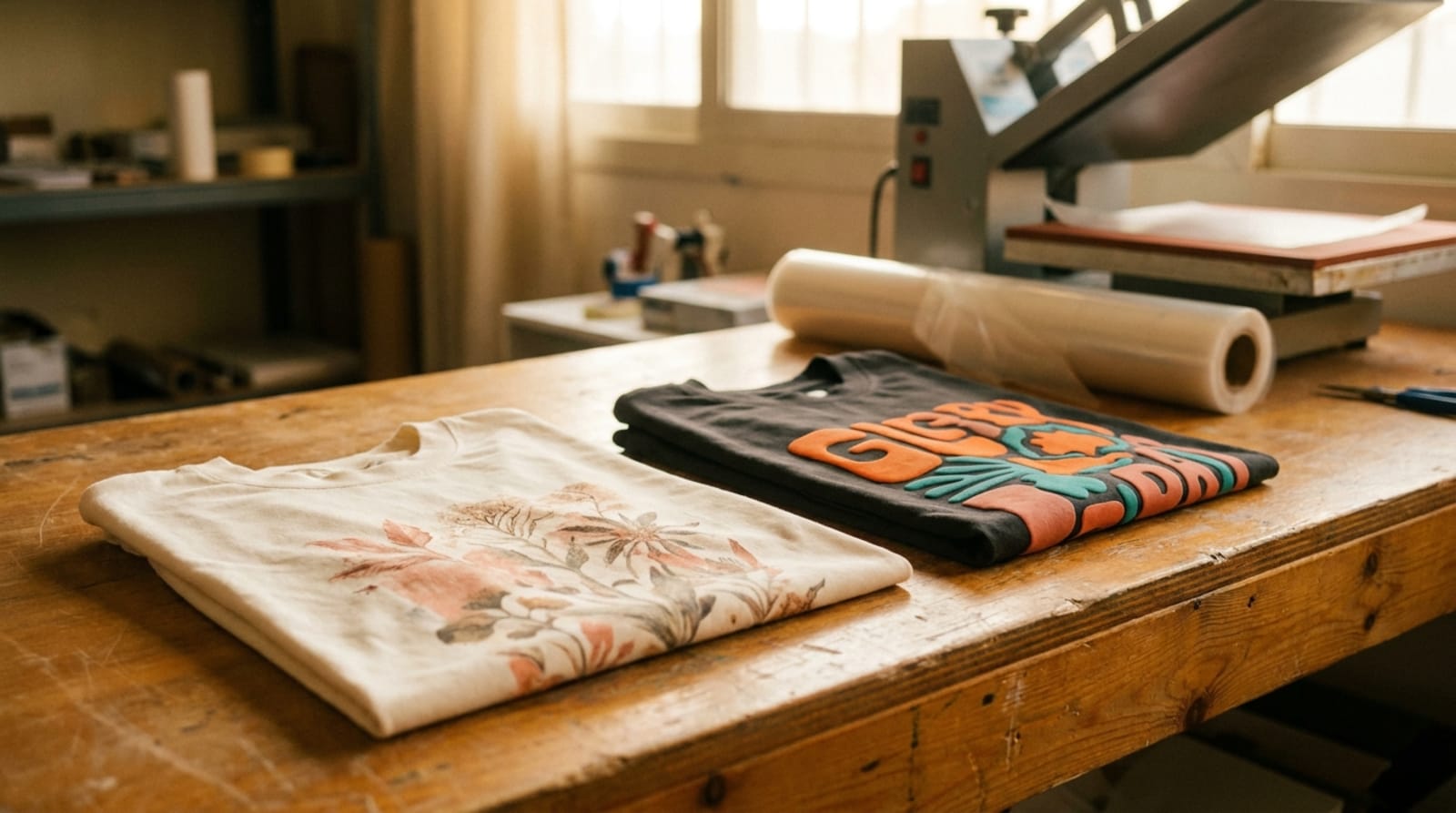
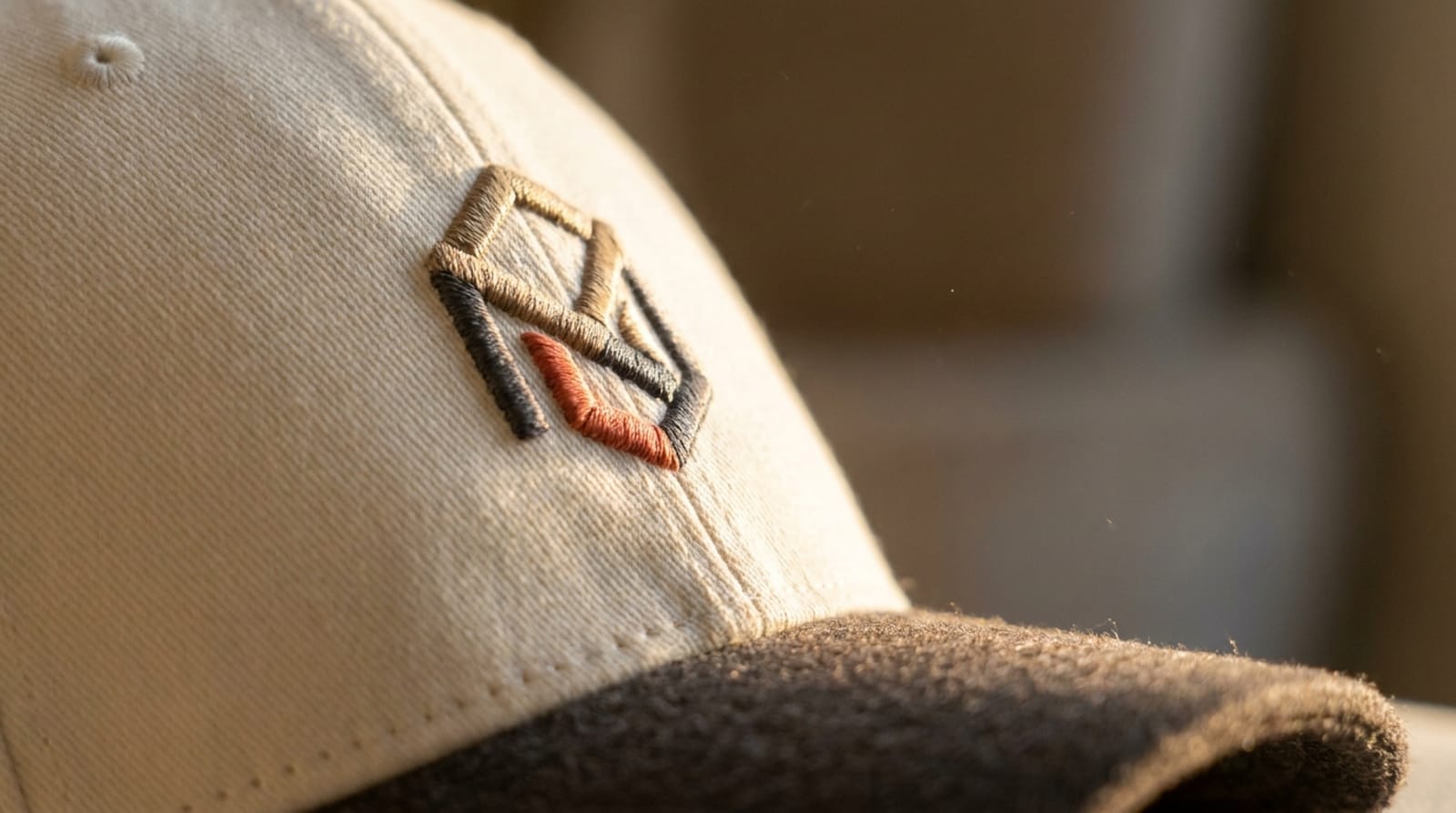
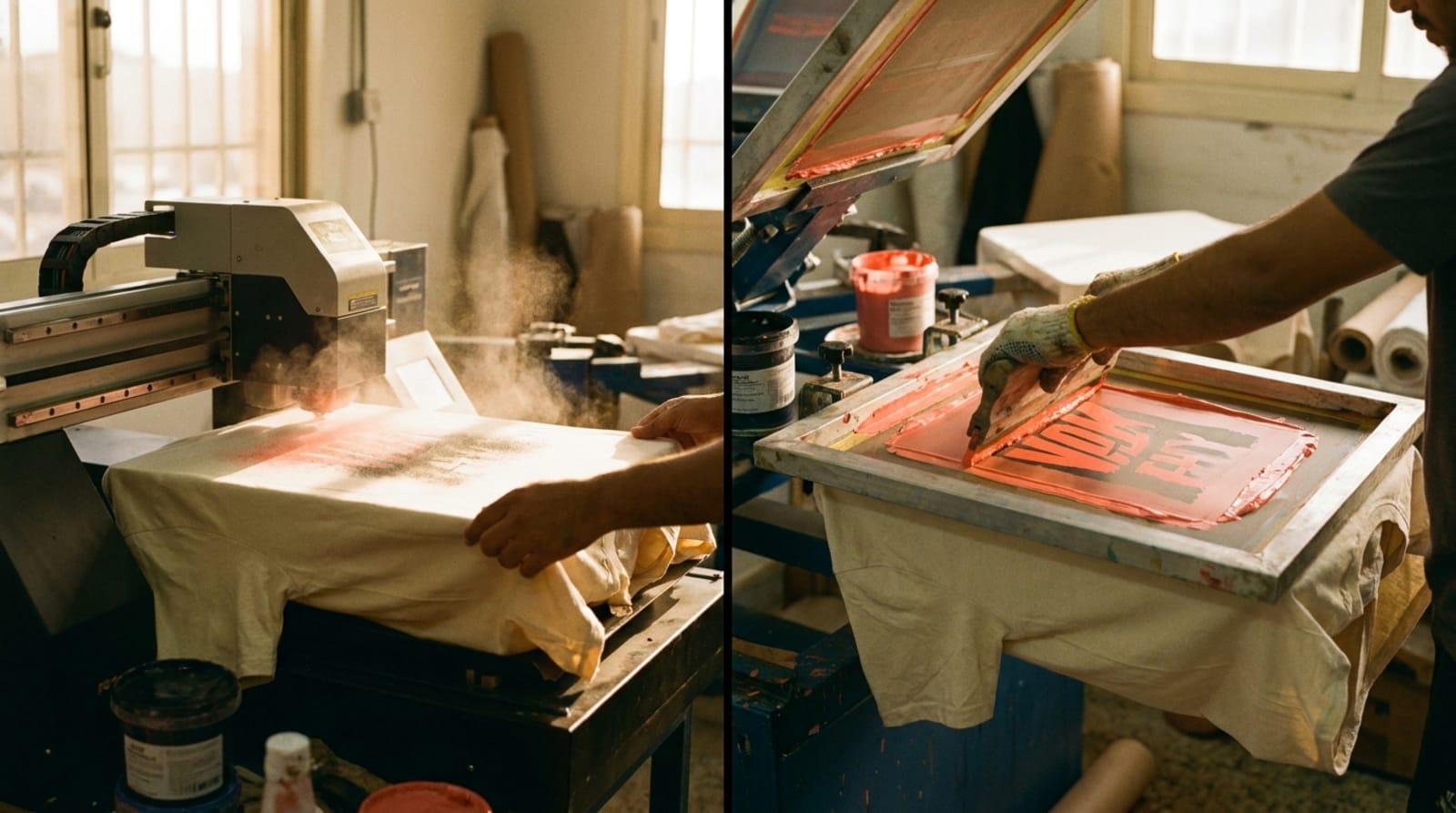
Which decoration method you use is settled by the fabric and the run size, not by taste. Direct-to-garment (DTG) ink soaks into cotton until you barely feel it, and one piece prints with no setup; film transfer (DTF) sits on top of the weave instead, which is how polyester, blends and dark garments take bold color; screen printing wants a screen per color and only turns cheap in the hundreds. Embroidery does not print at all. It stitches, and the stitch count fixes the price before the artwork does. That is why print on demand runs on DTG and nothing else: it is the only method that will print one piece, with a different design every time, with no minimum. Tamm runs 15 DTG machines on one line inside Saudi Arabia, and that is the only method we operate, so what you read here about the others is description, not a pitch. Pick the method before you draw, not after.
3 articles on this topic
- Print technology
DTG vs DTF: Which Print Method Is Right for Your Products?
A practical comparison of DTG vs DTF printing across fabric compatibility, feel, color, durability, and cost per unit, so you pick the right method for your store.
4 min read - Print technology
The Complete Guide to Custom Embroidered Apparel
A practical guide to custom embroidery: how machine embroidery works, digitizing a design, stitch count and density, thread types, what products embroider well, embroidery vs printing, and launching with print on demand.
7 min read - Print technology
DTG vs Screen Printing: Which Is Right for Your Designs?
A practical comparison of DTG vs screen printing across quality, color, durability, and cost per unit, so you pick the right print method for your designs.
4 min read