The guide
Manufacturing and sourcing
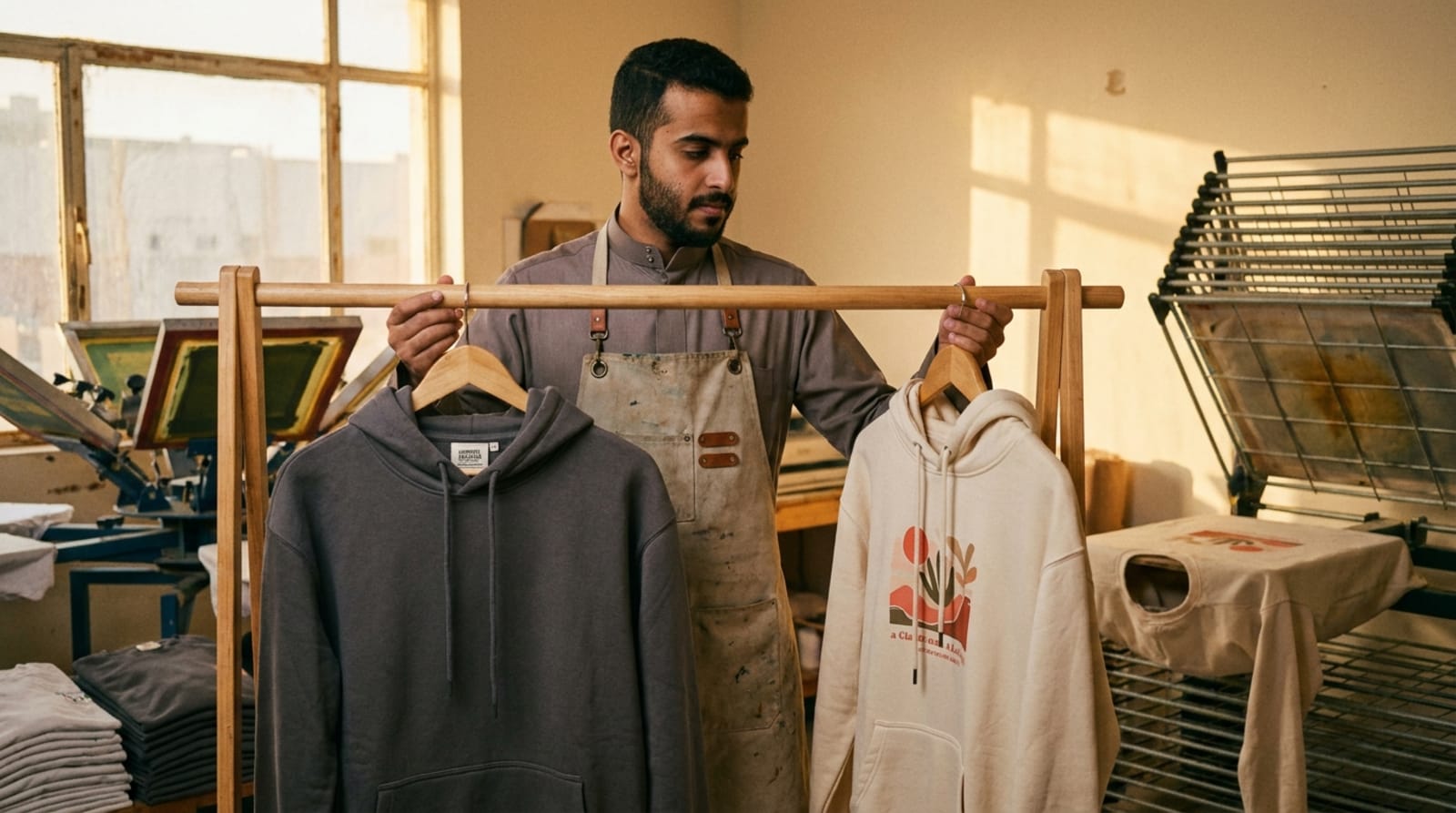
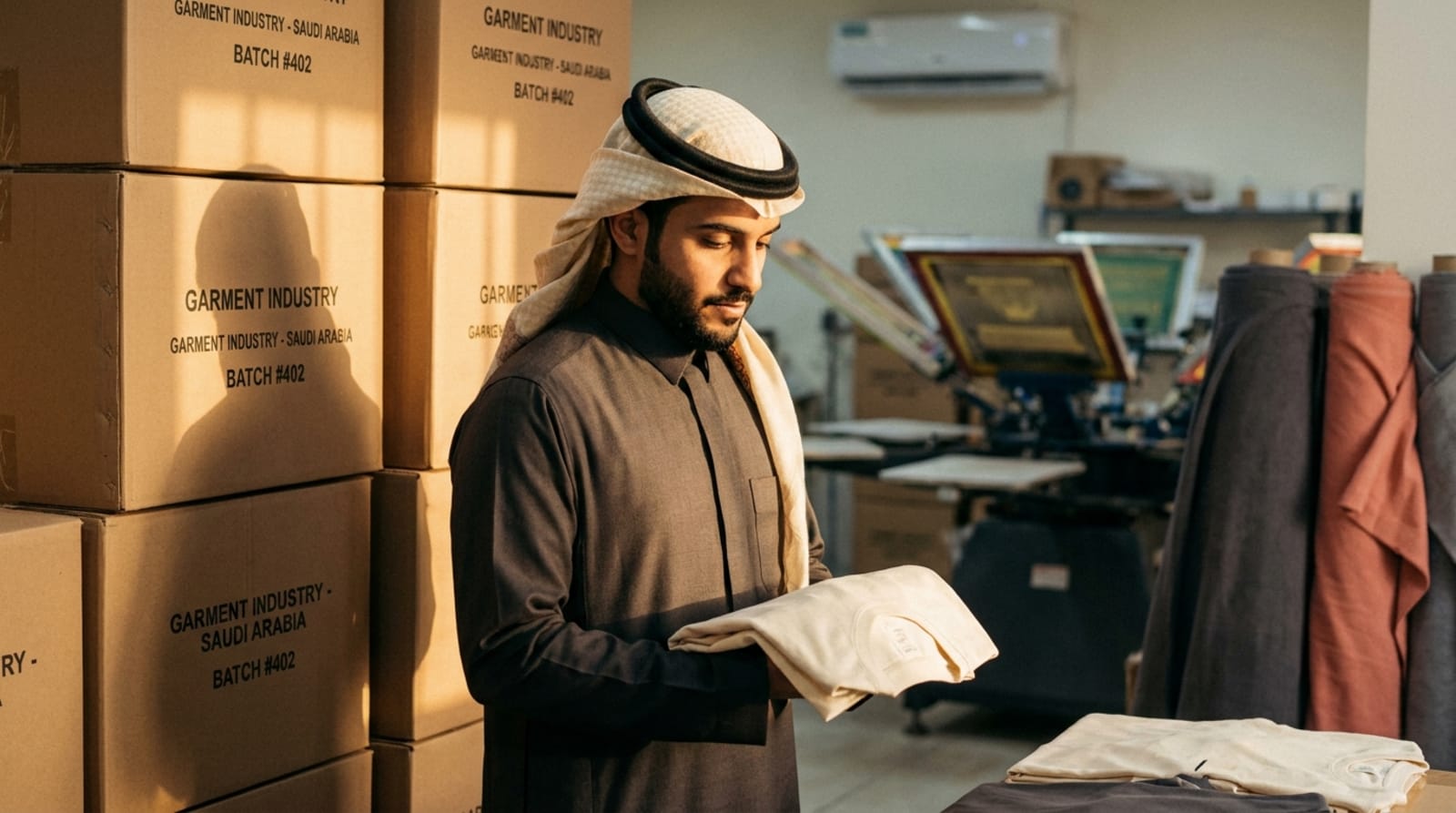
Getting a garment made is mostly a question of who carries the risk before anyone has bought anything. A factory sets a minimum because tooling, calibration and fabric rolls cost it the same on a short run as on a long one, so the number is arithmetic rather than obstruction, and it still reaches you as a batch paid for before the market has said a word about a single piece. The narrower decisions are the ones that shape the product: a spec sheet is all that stands between the piece you pictured and the piece the line guesses at, the cut is either yours alone or shared with everyone ordering from the same supplier, and a mockup on a screen is not a sample in your hand. Tamm runs a print on demand line and a cut-and-sew floor in Saudi Arabia, so the cost of each road is visible to us from the inside. The choice is about risk, not quality.
4 articles on this topic
- Manufacturing and sourcing
White Label vs Private Label: What Is the Difference?
A clear comparison of white label vs private label for apparel and merch: customization, exclusivity, cost, speed, control, and where print on demand fits.
4 min read - Manufacturing and sourcing
What Is MOQ (Minimum Order Quantity)? A Practical Guide
MOQ (minimum order quantity) is the smallest quantity a manufacturer will make per order. Why factories set it, how it strains cash flow, and how to lower it.
6 min read - Manufacturing and sourcing
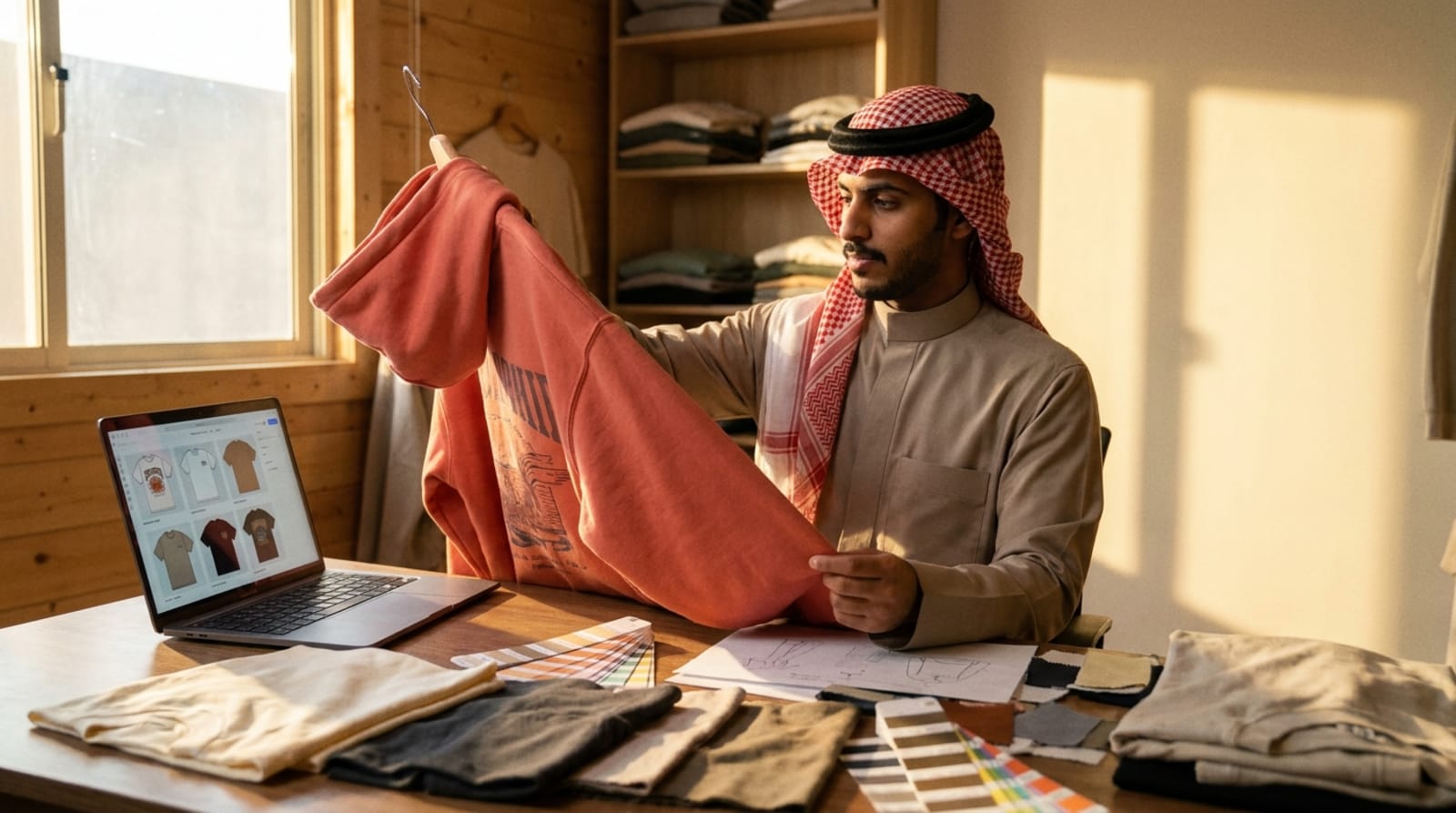
Mockups vs Samples: Validate Designs Before You Produce
The difference between a digital mockup and a physical sample, when to use each, and why to order a real sample before a production run, using print on demand.
4 min read - Manufacturing and sourcing
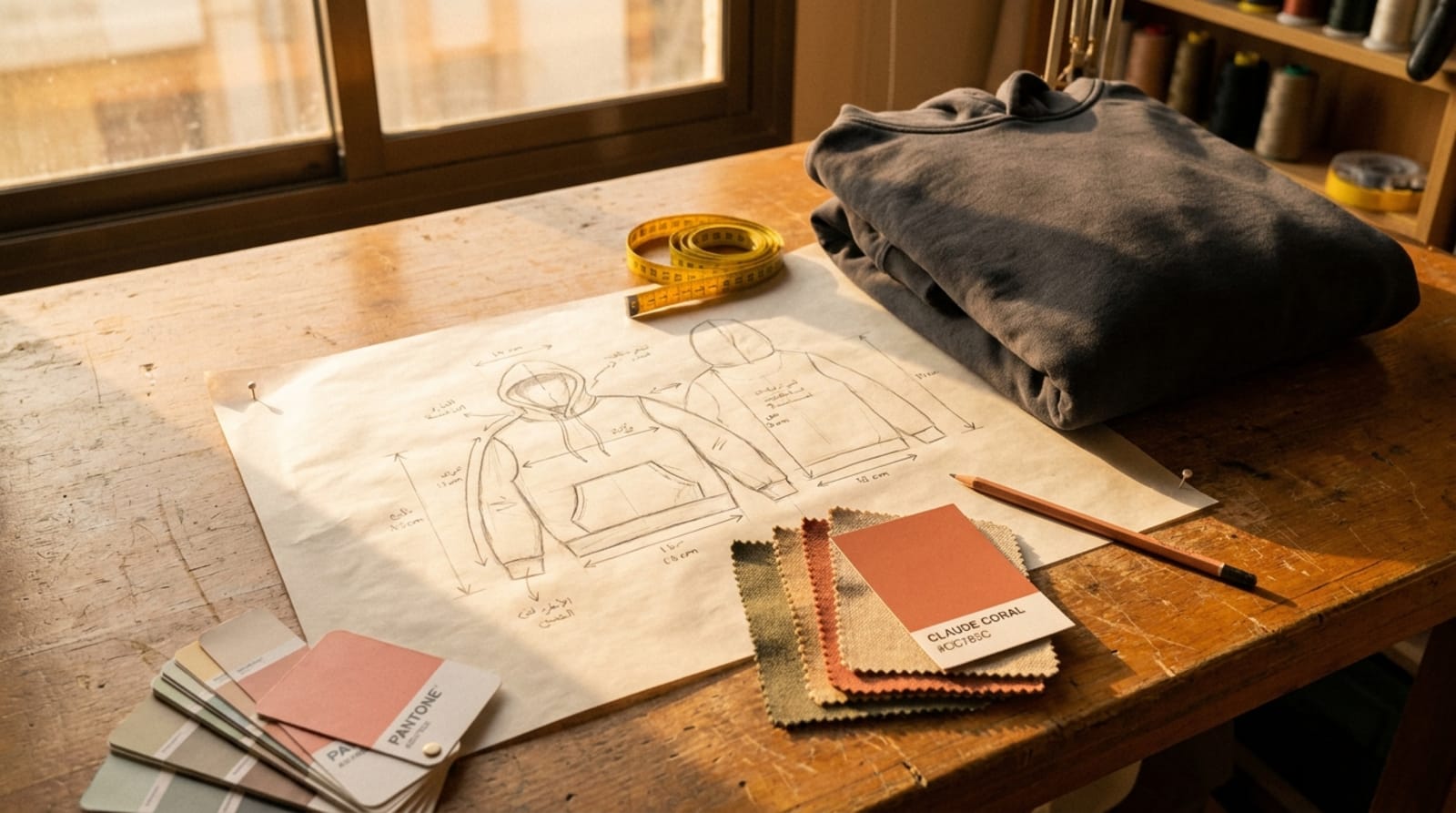
How to Make a Tech Pack for Your Clothing Brand
A tech pack is the spec document that tells a factory exactly how to make your garment. Here is what it contains and a ready checklist of every section.
6 min read