Marketing
Influencer Marketing for Online Stores in Saudi Arabia: A Practical Guide
Influencer marketing for online stores in Saudi Arabia: micro vs macro influencers, how to find and vet creators, briefs, gifting vs paid, tracking results.
Tamm Team7 min read
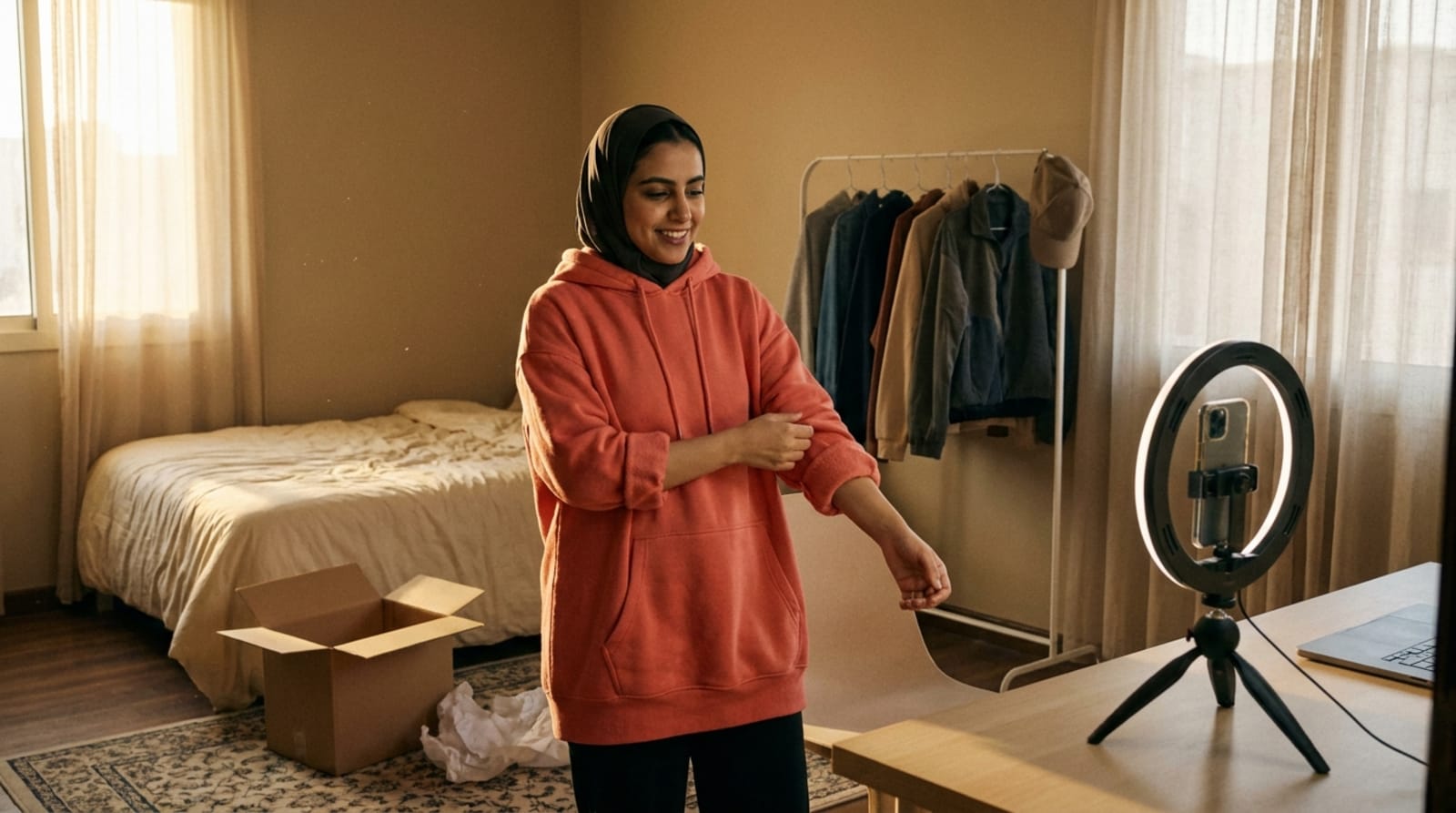
Influencer marketing for online stores in Saudi Arabia works because it buys trust that direct advertising cannot: a recommendation from someone your audience follows and believes. To succeed at it, choose an influencer by how close their audience is to yours, not by follower count, vet them on engagement rate and comment quality, write a clear brief with defined deliverables, test with gifting before you pay, then measure every order with a discount code, a tracked link, and a tracking pixel. This guide explains why influencers work in the Saudi market, the difference between micro and macro creators, how to find and vet them, and how to run a campaign you can measure instead of guess.
Why influencer marketing works locally
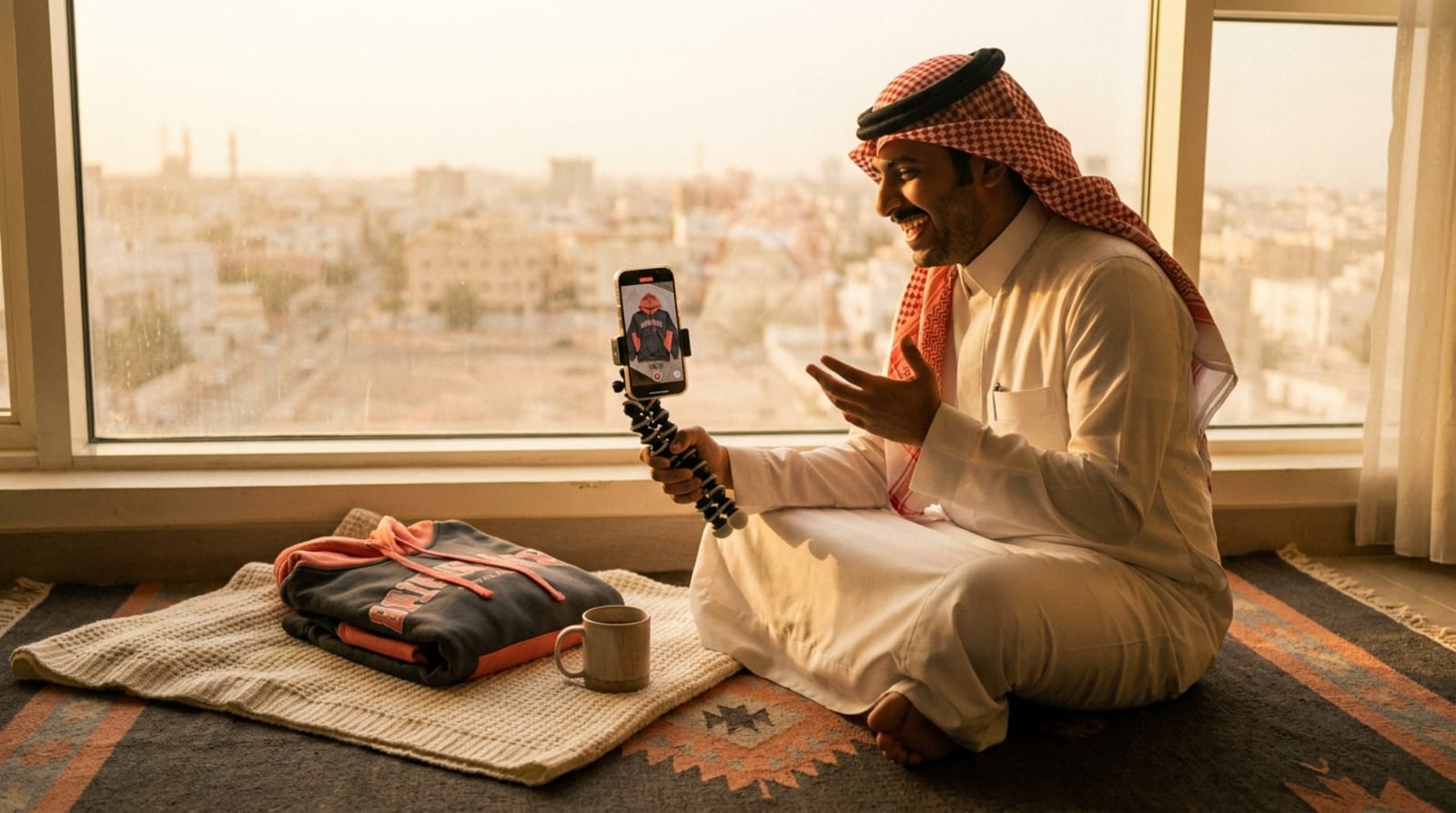
Saudi Arabia is among the world's heaviest users of short video and social platforms, and its audience trusts a personal recommendation more than a formal ad. When an influencer shows your product in the context of their daily life, it shifts from "an ad the viewer skips" to "something a person they like actually uses." That borrowed trust is the core of the value. Add that local content in Saudi dialect and context speaks to the buyer in their own language, shortening the distance between watching and buying. An influencer does not just sell your product, they lend it social proof that builds your brand with every post.
Micro vs macro influencers
There is no absolute "best" size, only the right fit for your goal and budget. The table shows the practical difference:
| Criterion | Micro influencer | Macro influencer |
|---|---|---|
| Follower count | Thousands to tens of thousands | Hundreds of thousands and up |
| Engagement rate | Usually high | Lower relative to size |
| Trust and closeness | High, niche audience | Broad but more general |
| Cost | Low, sometimes a gift | High |
| Best for | Conversion and direct sales | Awareness and broad launches |
For newer stores, start with several niche micro influencers in your category: they cost less, engage more, and their results are easier to measure. Save the macro influencer for a moment when you want broad awareness and have a budget that can absorb the risk.
How to find and vet the right influencers
The most followed is not the best for you. The best speaks to your exact audience with content that fits your brand. Search your category's hashtags on the platform, watch who your audience already comments on, and ask your own customers for recommendations. Influencers are one channel in a wider mix, so read how to market your online store in Saudi Arabia to see where they sit among the rest.
Signs of an influencer worth partnering with
- A healthy engagement rate relative to follower count, not inflated followers with dead engagement.
- Human comments from Saudi Arabia, not generic repeated phrases that suggest bought followers.
- An audience that matches your product in interest, age group, and region.
- A clean content history that fits your brand values and will not cause you a crisis.
Always ask for screenshots of their account insights showing Saudi audience share and age group before any commitment. A large follower count with weak engagement is a warning sign, not a strength.

The brief and deliverables: a clear agreement upfront
The biggest reason influencer campaigns fail is unwritten expectations. Before you send anything, write a short brief that sets: one core message, the product's selling points, what must be mentioned (store link, discount code), and the tone. But leave the execution to the influencer's own style, because their audience came for their voice, not your rigid script. Define the deliverables precisely: how many clips, stories, or posts, on which platform, and the publish date. Agree on ad disclosure too. A good brief protects both sides and makes measurement possible later.
Gifting vs paid partnerships
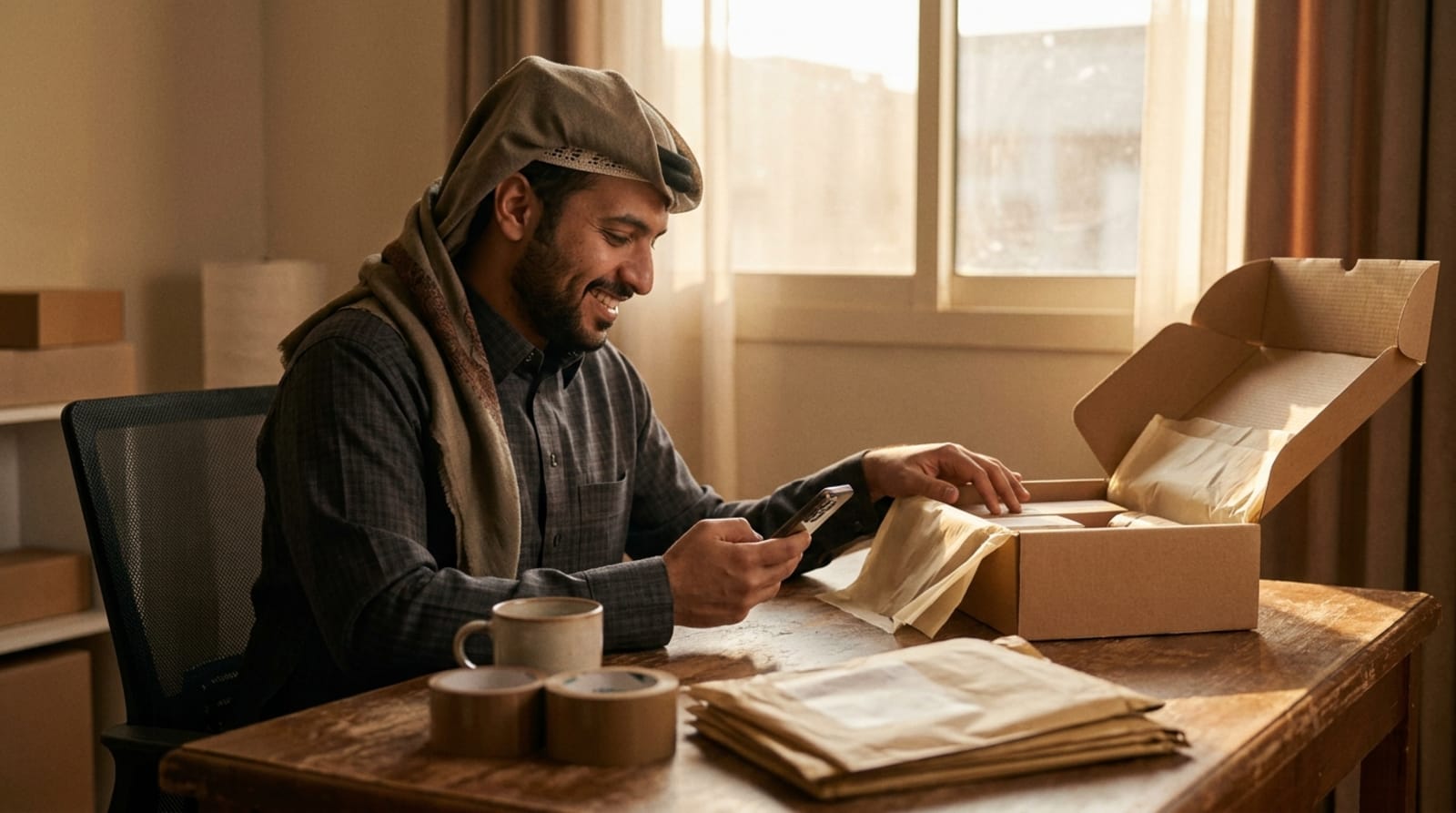
Both are legitimate, and choosing between them is a question of stage. Gifting (sending the product free) is a low-cost test of content quality and fit before any financial commitment, but it guarantees neither a post nor a date. A paid partnership buys you deliverables and a committed date, and it deserves a gifting test first. The practical rule: start by gifting several influencers, watch who produces good content and drives engagement, then move the best of them to a paid deal with written deliverables. If you sell your designs through print on demand, sending a printed piece as a test gift is easy and low cost.
Run the campaign: practical steps
- Set the goal and budget. Broader awareness or direct sales? The goal decides the influencer type and the measurement.
- Set up measurement first. Install a tracking pixel in your store before any post, and create a unique discount code or tracked link for each influencer.
- Shortlist and vet. Build a list, score them on engagement, comment quality, and audience, and drop the inflated ones.
- Reach out clearly. Send a short pitch: who you are, why them specifically, what you offer (gift or fee), and what you expect.
- Write the brief and send the product. One message, selling points, the discount code, the publish date, and disclosure as an ad.
- Review before publishing when possible. Confirm the link, code, and disclosure without smothering the influencer's style.
- Publish and monitor. Track orders by each code and link, not views alone.
- Evaluate and repeat. Double down on whoever drove sales, and stop whoever drove views with no conversion.
Measuring results with codes, links, and pixels
A campaign without measurement is expensive guessing. Give each influencer a unique discount code in their name or a tracked link, so every order is clearly attributed to its source. Install a tracking pixel before the campaign to measure the visitor's journey from view to purchase, and to build a retargeting audience of people who visited but did not buy. Track per influencer: number of orders, their value, and cost to acquire a customer. An influencer with high views and no orders is not a success, and the micro influencer who brought real orders is the one to double down on.
Disclosure and authenticity: the foundation of trust
Disclosing the ad is not a burden but an investment in credibility, and it is legally required in Saudi Arabia. Ask the influencer to label the content clearly, such as (Ad) or (in partnership with), because audiences spot hidden advertising and punish it with lost trust. More important than the label is honesty: let the influencer actually try the product and give their opinion in their own words. An honest, disclosed recommendation sells more and lasts longer than a paid, staged endorsement. Content creators themselves have a storytelling and trust advantage that makes them ideal partners, so read selling merch for content creators. Your brand is built on accumulated trust, and a single dishonest post can cost you more than it brings.
Conclusion
Influencer marketing for online stores in Saudi Arabia works when you choose an influencer by their audience's closeness, not their follower count, vet them on engagement and comment quality, and run them with a clear brief and written deliverables. Start with gifting to test fit, then move the best to paid, and always disclose the ad to build lasting trust. Above all, measure every campaign with a discount code, a tracked link, and a tracking pixel so you know who actually drove sales. Measured that way, influencer marketing turns from a gamble into a system you can scale, and when a campaign lands you need no stock of your own to fill its orders: Tamm makes each piece after it sells and sends it to the buyer.
Frequently asked questions
- Are micro influencers better than macro influencers for my store?
- Usually yes for newer stores. A niche micro influencer is closer to their audience, has higher engagement, and costs less, so you get better conversion per riyal. Macro influencers suit broad awareness once your budget grows.
- How do I know an influencer's followers are real?
- Check engagement rate against follower count, and read the comments: are they human and from Saudi Arabia, or generic and repetitive. Ask for screenshots of their account insights showing Saudi audience share and age group before you commit.
- Should I gift the product or pay for the post?
- Start with gifting to test fit and content quality with no financial commitment, then move to a paid deal with clear deliverables if it works. Gifting alone does not guarantee a post, and paid deals deserve a gifting test first.
- How do I measure an influencer campaign?
- Give each influencer a unique discount code or a tracked link, and install a tracking pixel before the campaign. That way every order is attributed to its source and you know who drove sales versus who drove views only.
- Does the influencer need to disclose the ad?
- Yes. Clear disclosure such as (Ad) or (in partnership with) is legally required in Saudi Arabia and builds audience trust. Honest, disclosed content outsells hidden advertising over the long run.