Building a brand
How to Start a Streetwear Brand: Identity, Drops, and Launch
A practical playbook for how to start a streetwear brand: identity, drops and scarcity, community, heavyweight blanks, print on demand, pricing, and launch.
Tamm Team5 min read

Starting a streetwear brand follows clear steps: build an identity and story that set you apart, design limited drops that create scarcity, gather a community that waits for launch, choose a heavyweight blank with a clean finish, produce with print on demand before any batch, price with intent, then launch. Streetwear is not just printing on a tee, it is a story people wear to say something about themselves. The smartest early call is to launch with no inventory: each piece is printed after it sells, so you test your designs and build your brand without tying up cash in stock that may never move. This guide walks you step by step, with energy and honesty, from idea to the first drop that carries your name.
Build the identity and story first
A brand that says nothing gets forgotten. Before any design, write one line: who you make for, and why they choose you specifically. Streetwear lives on meaning, so a piece carries a stance, a mood, or belonging to a scene. Pick a narrow angle you know and live, because specializing builds loyalty more easily than pleasing everyone. Make the name, mark, and visual language express one coherent story. When the story is honest, a customer feels the piece speaks for them, and that is where the loyalty that builds lasting brands begins.
Design the drop and create scarcity
Streetwear does not sell full shelves all year, it sells moments. A drop is a limited collection released at a set time in a set quantity, turning a product into an event people anticipate. Scarcity raises perceived value and sparks conversation, but it cuts both ways: it only works when the piece truly deserves it. Start with a small drop of two or three pieces around one idea, with a clear quantity and an announced date. The promise of scarcity must be real, because an audience spots the trick fast, and credibility is worth more than one sale.
Build the community before the hype
Real hype is not bought, it is built. Weeks before your first drop, start sharing the journey: design glimpses, the fabric in your hands, the story behind the name. Make your audience part of the making, not just a target for an ad. Create a waitlist or a close group that gives members early access, because belonging drives more genuine excitement than any discount. Reply to everyone who comments and asks, because a small, energized community beats a large, indifferent audience. When the drop arrives, people are ready, because you built the relationship before you asked for the sale.

Choose the heavyweight blank and finish
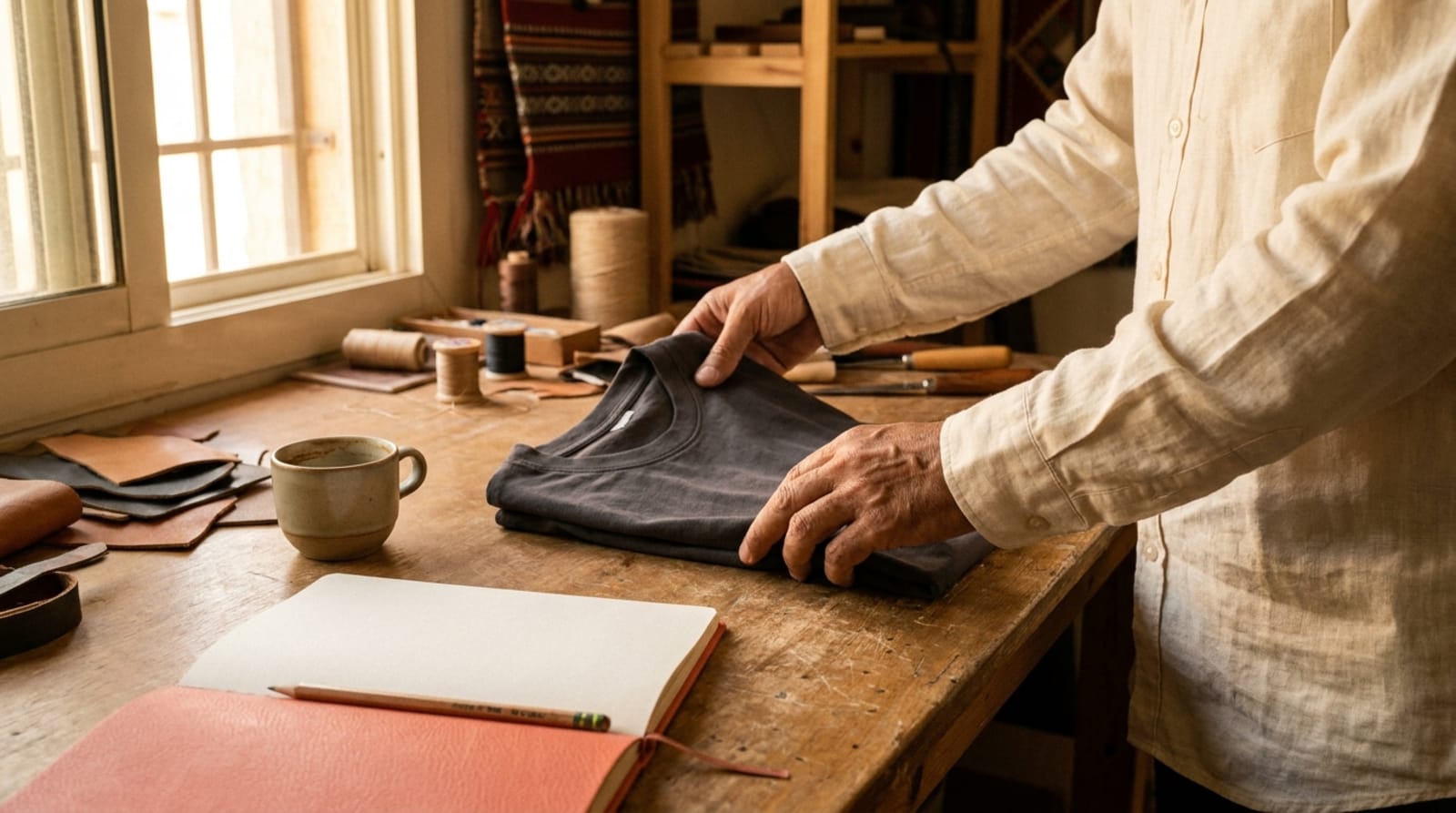
A garment is judged by its feel before its design. A blank is the plain ready-made piece you build on, and in streetwear it makes the difference. This scene's audience wants a heavy feel: dense cotton, a slightly oversized fit, sturdy stitching, a clean finish at the edges. Fabric weight says a lot before anyone reads the design. Order more than one option, wear it, wash it, and check color fastness and print durability after washing. Finishing is the gap between a piece that looks homemade and one that looks like a real brand, and these small details are exactly what the audience pays for.
Start with print on demand before manufacturing
This is the decision that sets your financial risk. Manufacturing a batch lowers per-item cost, but it ties your cash to stock that may not sell, requires a minimum order, a warehouse, and a wait. Print on demand costs a little more per item, but it removes inventory entirely: the piece is printed with your design after the customer pays. For a new brand, that means launching a full drop without risking a single riyal on stock. Test your designs, read real demand, and once a drop proves it sells consistently, manufacturing a batch becomes a calculated move. To go deeper on this model, read how to start print on demand in Saudi Arabia.
Price with intent
Price is not cost plus a random number. Add up the printed item cost, packaging, shipping, payment gateway fees, and marketing's share of each sale. Then set a margin that lets you grow, not just break even. With print on demand your item cost is known in advance, so you can calculate your margin precisely before you sell a thing. Do not price cheap to compete, because a streetwear audience pays for story, scarcity, and feel, not for the lowest price. The value you built in identity and community is what justifies your price.
The drop launch playbook
Once your identity, designs, blank, and prices are ready, sequence your drop launch with these steps:
- Create your store and connect the drop's pieces to their print-ready designs.
- Enable payment gateways so you accept mada, Apple Pay, and cards from day one.
- Set up VAT invoicing so your store is compliant and ready to grow.
- Configure shipping and tracking so orders arrive and customers know where they are.
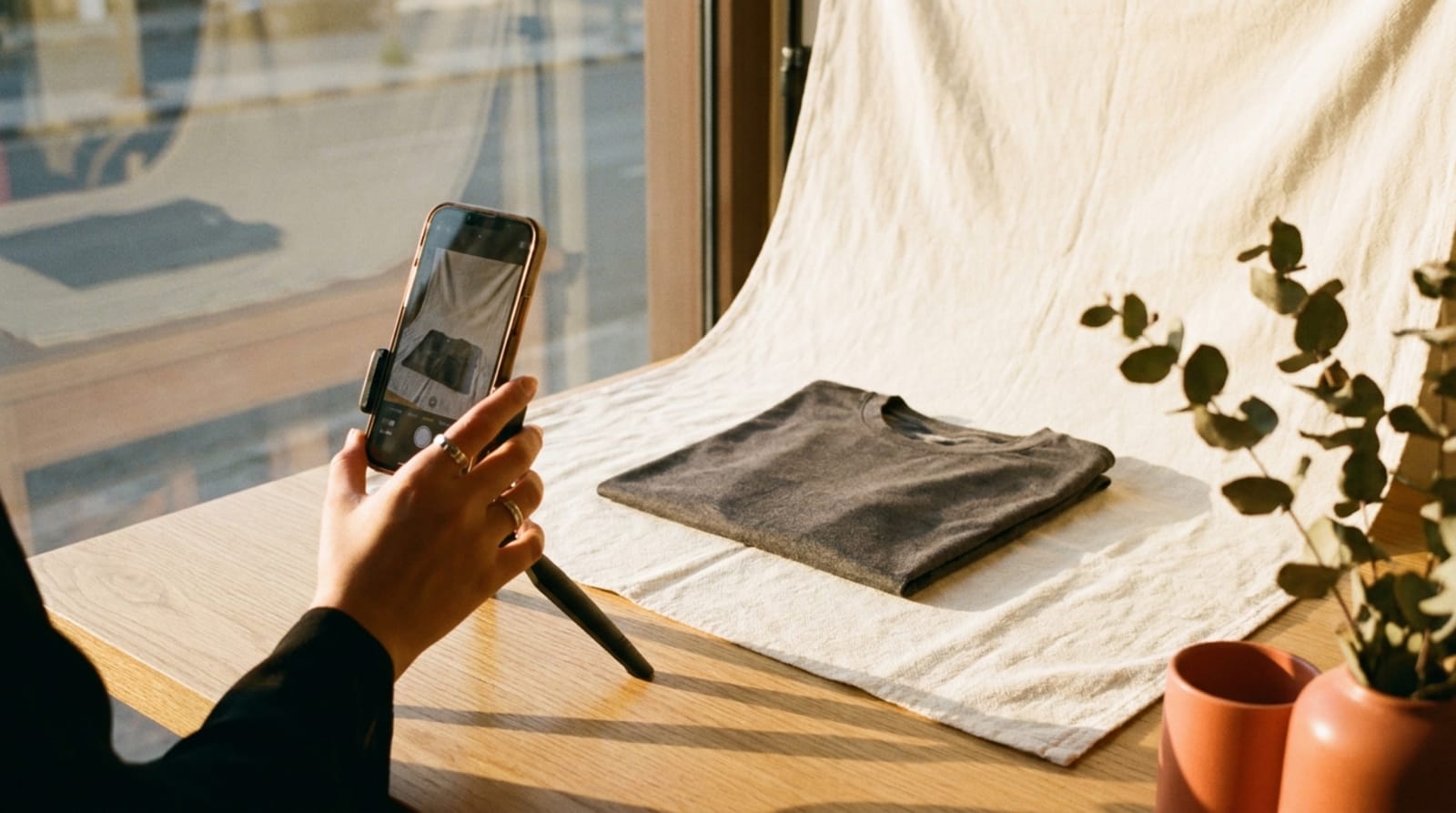
- Photograph your pieces on real people in a context that reflects your brand's scene.
- Announce the drop date and quantity clearly, and remind your community hours before launch.
- Open the drop on time, watch which design sells fastest, then build your next drop around it.
The bottom line
Starting a streetwear brand is a journey from idea to first drop: an identity and story that set you apart, a limited drop that creates scarcity, a community you build before the hype, a heavyweight blank with a clean finish, then the crucial production call. Start with print on demand to launch with no inventory and no risk, and test your designs before committing to a batch. Price with an intent that reflects the value you built, and launch your drop with a clear plan. Start free with Tamm and drop the first piece that carries your story.
Frequently asked questions
- How do I start a streetwear brand from scratch?
- Start with a clear identity and story, pick a heavyweight blank you love, design a limited drop, build your community before launch, and produce with print on demand until demand is proven. That way you launch with no inventory and no risk.
- Why does streetwear use limited drops?
- A limited drop creates real scarcity, so buying becomes an event people wait for. Scarcity raises perceived value and builds hype, but it only works when the piece genuinely deserves it.
- What cotton weight suits a streetwear hoodie?
- Streetwear buyers want a heavy feel, often between 300 and 450 grams per square meter for a hoodie. Heavier reads more premium but costs more, so balance the feel against your price.
- Should I start with print on demand or manufacture a batch?
- Start with print on demand to test your designs without inventory. Once a drop proves it sells consistently, manufacturing a batch becomes a calculated move to lower per-item cost, not a gamble.
- How do I price streetwear pieces?
- Add up the printed item cost, packaging, shipping, payment fees, and marketing's share, then add a margin that reflects the value of your story and quality. A brand's audience pays for meaning, not the lowest price.