Print on demand
Print on Demand vs Dropshipping: Which Fits Your Store?
A practical comparison of print on demand and dropshipping across design, margin, quality, and risk, so you can choose the right model for your store in Saudi Arabia.
Tamm Team3 min read

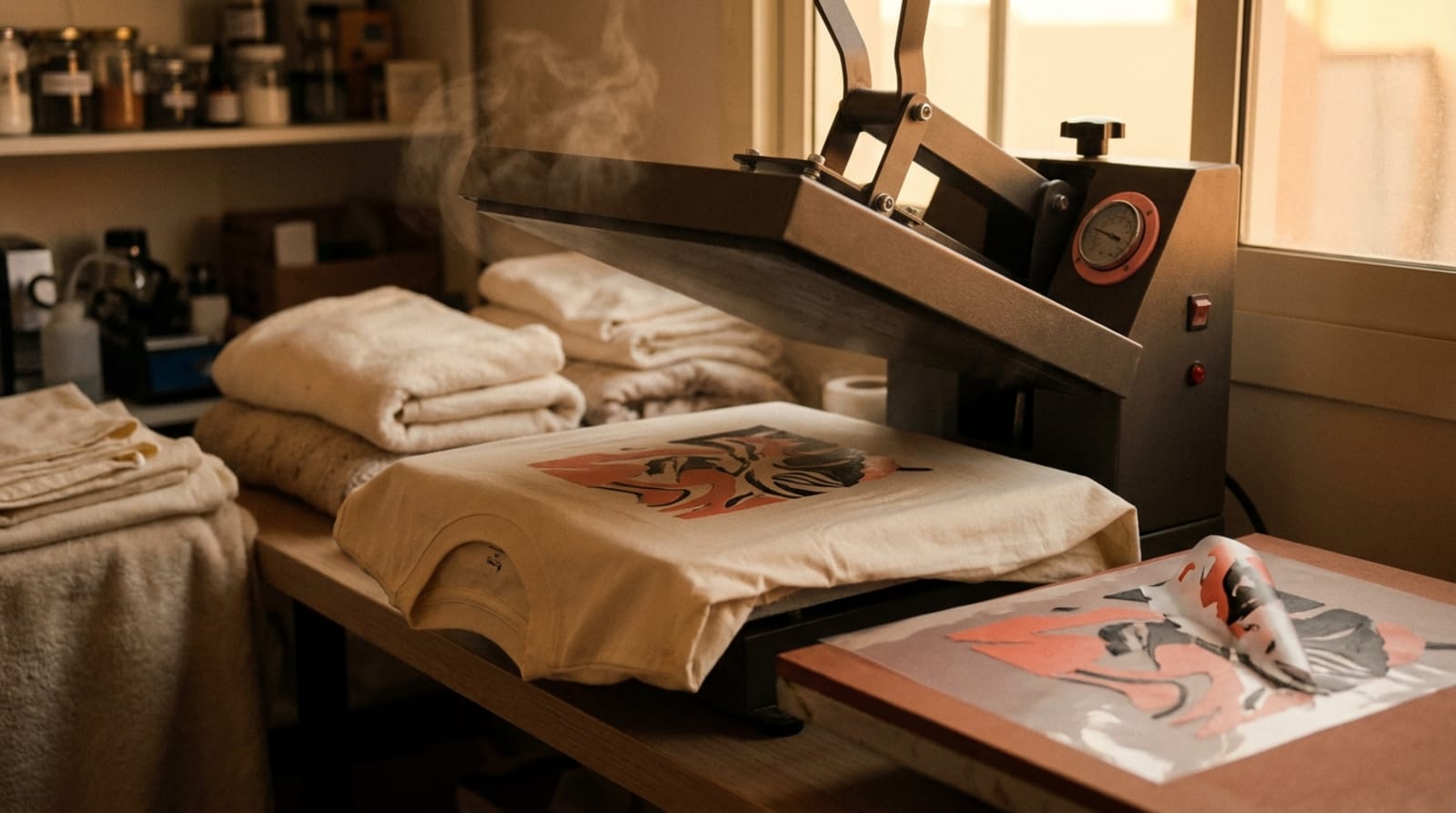
Print on demand and dropshipping share one advantage: you sell without buying inventory upfront. But they differ in the essence of what you sell. In print on demand you sell a product with your own design, printed at the moment of the order. In dropshipping you sell a ready-made product from a supplier and pass the order to them to ship to the customer. Choosing between them shapes your brand, your margin, and how much control you have over quality. This guide compares them clearly to help you decide.
The core difference in one line
Print on demand sells a design, dropshipping sells a product. In the first, the product is a vehicle for your visual identity. In the second, the product itself is the offer. That simple difference drives every other difference.
A direct comparison
| Criterion | Print on demand | Dropshipping |
|---|---|---|
| What you sell | A product with your own design | A ready-made supplier product |
| Market differentiation | High, the brand is yours | Low, the product is available to all |
| Upfront inventory | None | None |
| Quality control | Tied to who prints for you | Tied to a possibly distant supplier |
| Per-item margin | Moderate, but protected by brand | Variable, and under competitive pressure |
| Long-term brand building | Very suitable | Difficult |
When to choose print on demand
Choose it if you are building a brand, selling to an audience that follows you, or want a product a customer cannot find elsewhere. Design is your competitive edge, and a printed product shields you from the price war that swallows lookalike dropshipping stores.
When dropshipping suits you
Choose it if you want to test many product categories quickly with no design commitment, or you are selling a functional product that needs no identity. But note: because the same product is available to any other seller, you end up competing on price and marketing alone, and that squeezes your margin over time.
Where Tamm fits
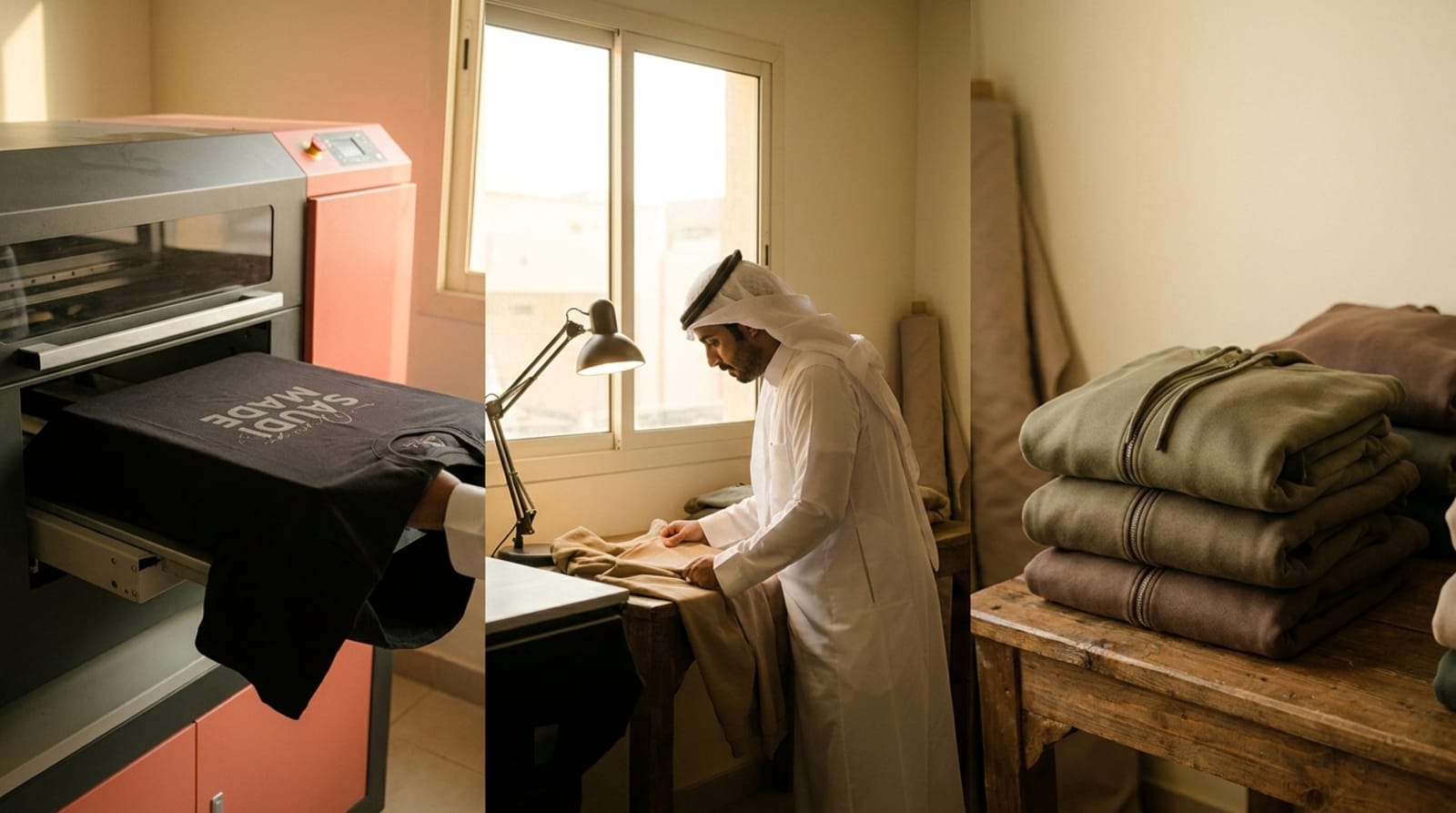
Tamm is the factory and the warehouse behind your store. You sell on Salla, Zid or Shopify, or any platform through the API; we print your designs on demand, store your stock, and pack and ship every order under your name from inside Saudi Arabia, then send the tracking number back to your store. Read about print on demand and storage and shipping.
The bottom line
There is no absolutely better model, only the one that better fits your goal. If you are building a brand and want control and differentiation, print on demand is your path. If you are testing the market quickly with ready-made products, dropshipping serves you for now. Many successful stores start with the second and move to the first as their brand matures. Start free with Tamm to launch your printed products.
Frequently asked questions
- Which one is lower risk?
- Neither requires upfront inventory, but print on demand builds a brand around your own design, so you depend less on a single supplier and stand out more in the market.
- Which has the higher margin?
- Dropshipping can sometimes give a higher per-item margin, but competition is fierce because the same product is available to everyone. Print on demand protects your margin through differentiation and brand.
- Can I combine both models?
- Yes. Many stores sell products printed with their own design alongside complementary products via dropshipping. The key is keeping quality and delivery time under control.