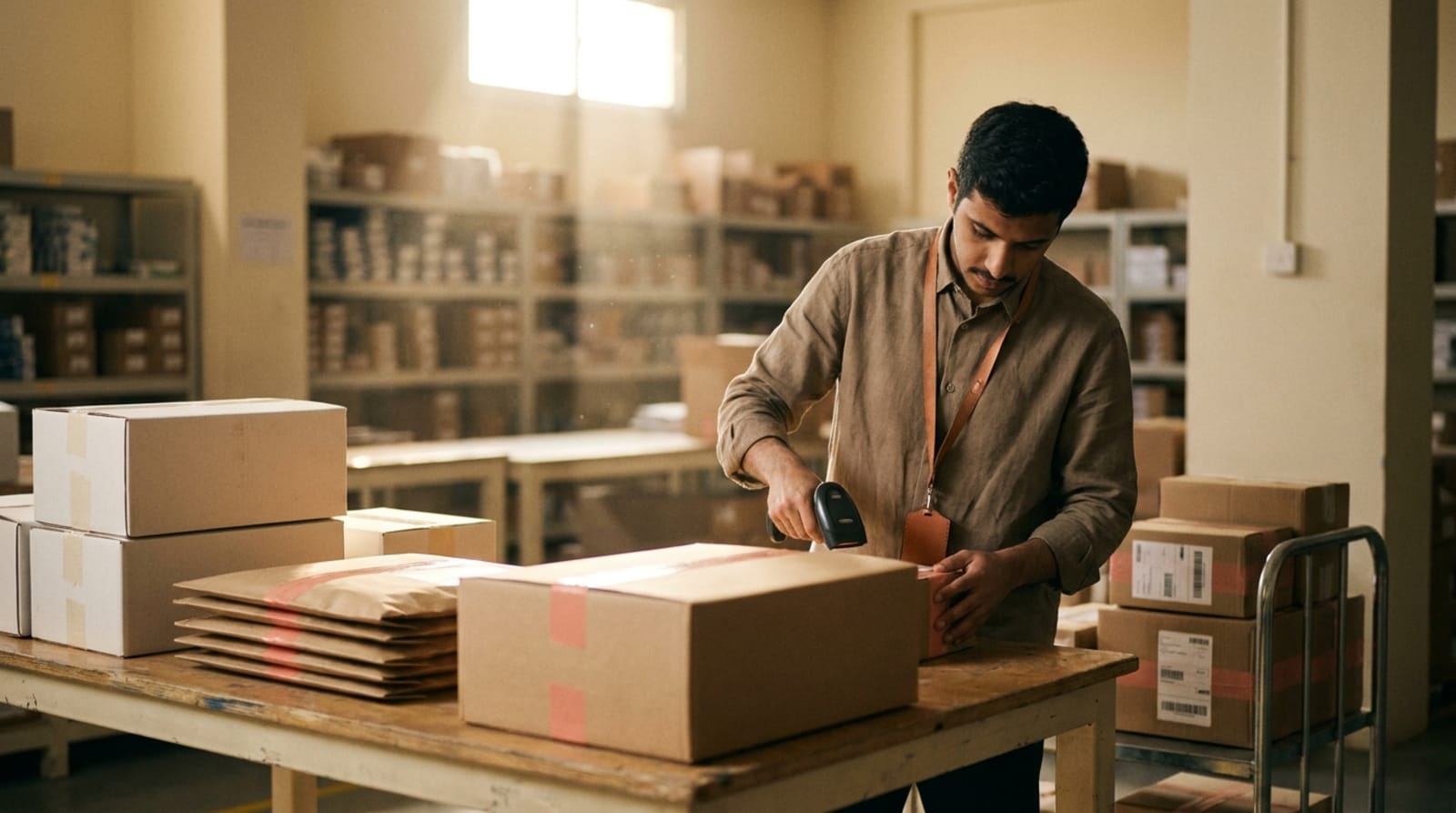
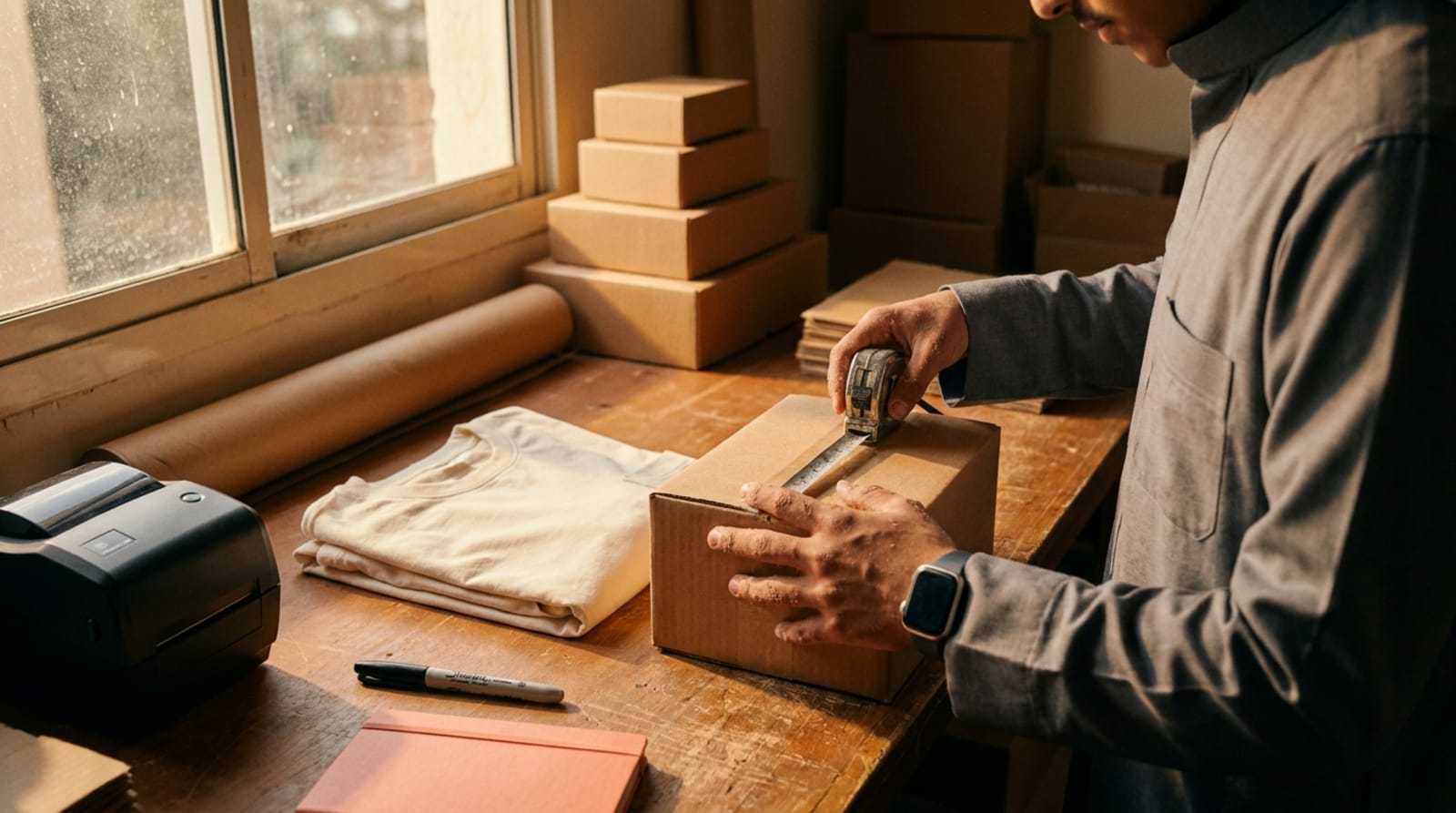
Cash on Delivery in Saudi Arabia Is Settled at the Door
No Saudi authority publishes a cash-on-delivery share, and the circulating figures contradict each other. What is knowable is what happens to one parcel, and that is where the cost sits.
Tamm Team7 min read
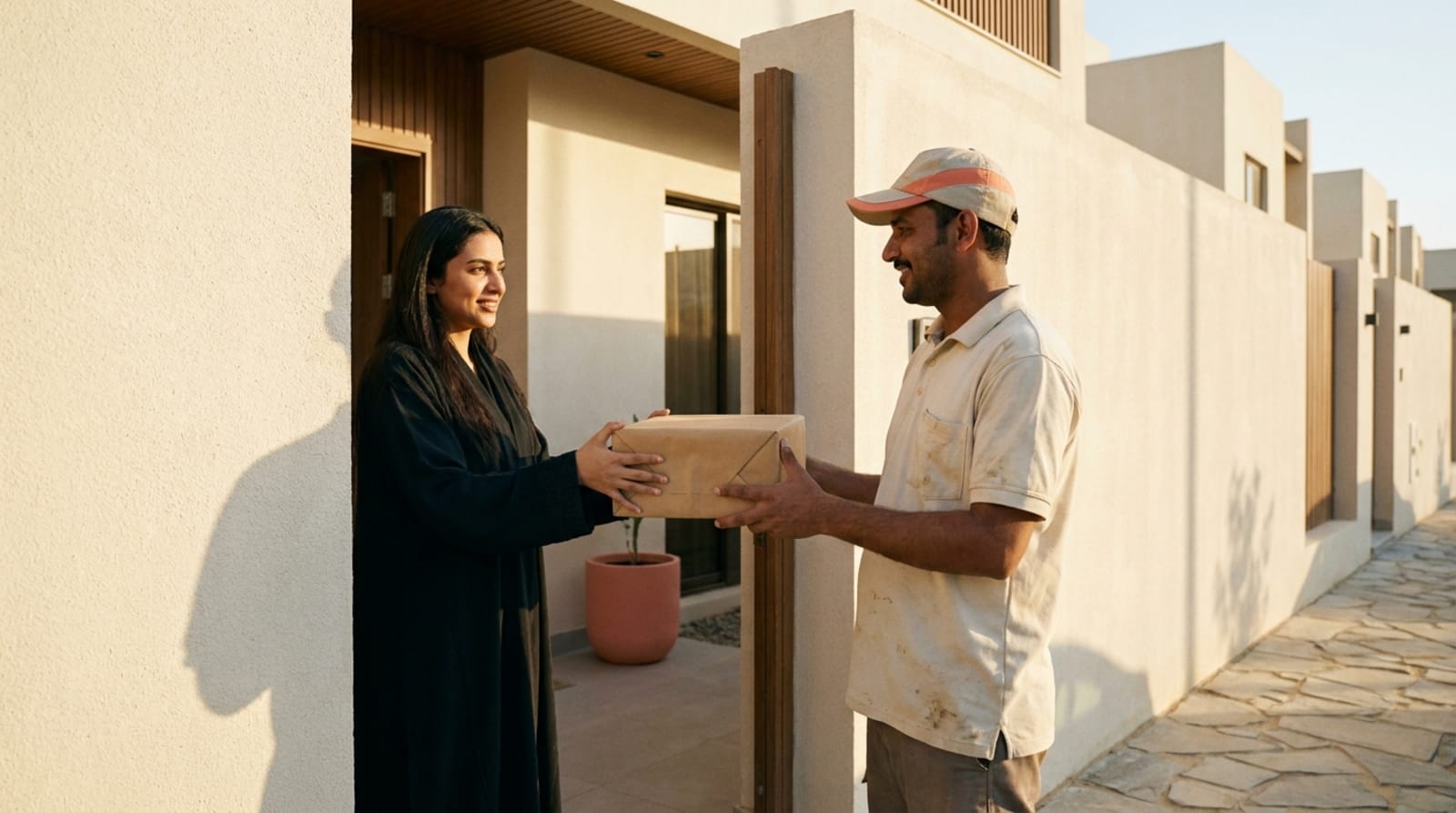
We went looking for one number before writing this: what share of Saudi online orders is paid at the door? The figures in circulation jump between 9% and 80%, all of them credited to a market report with no name and no year, so we opened the sites of the bodies that would actually hold the data, SAMA, GASTAT and Monsha'at. None of them publishes it. SAMA measures payments by channel and instrument, not by who counted out notes on a doorstep. Which is when the question started to look like the wrong one, because what decides whether an order made you money is not its share of the market. It is what happens to one parcel between the warehouse door and the customer's.
What the courier carries back
On a prepaid order the money and the parcel travel in opposite directions, and the money reaches you before anyone picks the item off a shelf. On cash on delivery they travel together. The courier carries the piece and the invoice with it, and comes back with either the cash or the piece, and that decision happens after production, after packing, and after the parcel has passed into the carrier's custody.
Which is why a failed delivery belongs in storage and shipping rather than in payments. The line is not perfectly clean: the Regulations for Postal Law, issued by the Transport General Authority on 13 February 2025, license the parcel side and reach the amount collected on delivery, not just the item in the box. Cash on delivery is a delivery problem paid for out of stock and time, and a money problem paid for out of cash flow, and the two meet at the door.
Where Tamm fits
Tamm is a factory and a warehouse in Saudi Arabia, and the print-on-demand service provider behind your store. You keep selling on the platform you already use; when an order arrives we print the piece you chose from the catalog on our own line and ship it to your customer under your brand. It is not a store platform and it does not compete with Salla, Zid or Shopify. See how storage and shipping works.
A printed piece has no shelf to go back to
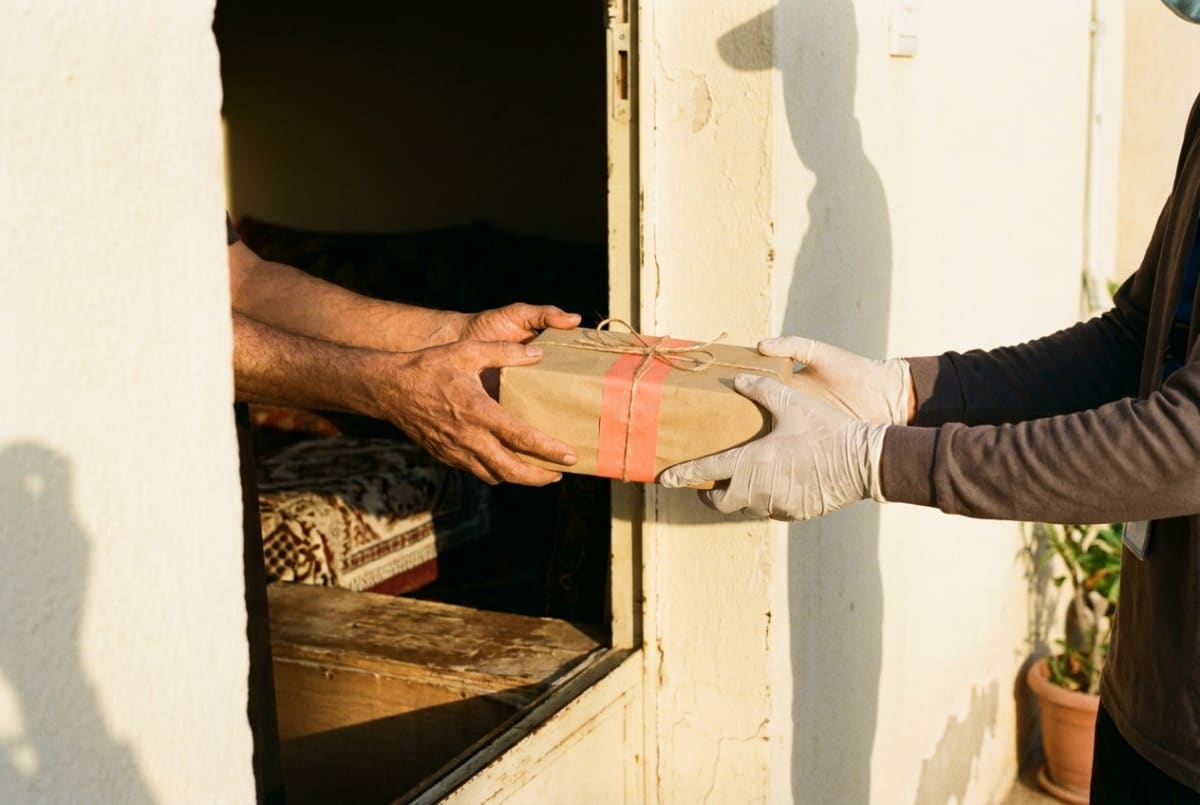
When a stock item is refused at the door, you lose the freight out and the freight back, and the product returns to inventory where another buyer eventually takes it. When a piece printed after the sale is refused, that inventory does not exist: it left in one buyer's size carrying the design that buyer chose, and it comes back to a warehouse where nobody is waiting for it. The loss is not a shipping fee. It is a whole unit that went through production and came out attached to an order that never closed.
The refused parcel does not come back the next day either. The postal regulation requires the provider to hold an undelivered item for 90 days before disposing of it, which is 90 days the piece spends out of your hands and out of the market at the same time.
Apparel is not a marginal category here. GASTAT's ICT Access and Usage by Households and Individuals survey for 2025 found that 71% of individuals aged 15 to 74 buy online, rising to 80.2% among Saudis, and that clothing, footwear and sports goods is the most purchased category, at 88.8% of online shoppers. The widest category sold online is the same one that gets made to a size and a design, and the same one whose returns have nowhere to go.
Your money moves before your customer's does
Print on demand takes inventory out of the equation. It does not take out cash. The piece enters production after the order, and its cost, along with packing and the carrier's fee, is spent before a single riyal arrives from the customer. On a prepaid order the customer's money covers that spend before it happens. On cash on delivery you are financing the order and waiting for somebody to open a door. Until the courier signs for the money, an order in your dashboard is a promise of revenue rather than revenue, and the number that separates the two is your collection rate: how many of the orders that shipped were actually paid for.
Then there is a line item that appears in no published tariff. Collecting money at the door is a service the carrier charges for, and the Transport General Authority, which licenses and regulates postal and parcel operators, publishes no price schedule. Saudi Post says only that cash on delivery carries an extra charge, without naming a figure. The figure lives in your own carrier contract, so ask for it in writing before you switch the option on, then put it into the price the buyer sees before they commit: Article 7 of the E-Commerce Law requires the total price, inclusive of all fees, taxes and delivery-related amounts, to be stated before the contract is concluded. If you are weighing one carrier against another on exactly these terms, the criteria are in Saudi shipping companies compared.
Cash on delivery is also not always the buyer's choice. Plenty of stores offer it because it is the only thing they can offer: Zid's free Starter plan is limited to bank transfer and cash on delivery, with card acceptance starting one plan up, and on Salla, accepting online payments starts at Plus rather than on the entry plan. If most of your orders are paid at the door, the reason may be in the plan you are on rather than in your customers' habits.
The National Address closed one of the doors
One category of failure was closed by regulation rather than by seller effort. The Transport General Authority announced on 17 April 2025 that from January 2026 parcel delivery companies must reject any shipment without a valid National Address, and that requirement is live today rather than pending. The shipment that used to leave with half an address, circulate for two days and come back is now stopped before it moves, which saves you the freight on a trip that was never going to arrive.
The other door stays open: the customer who does not answer, the one who changed their mind overnight, the one who ordered twice by accident. No regulation closes those, but sequence does. In print on demand the cheapest point to confirm an order is before the piece enters production, not before it leaves the warehouse. A message that cancels a hesitant order before printing costs you a minute. The same order after printing costs you a garment. What the customer is owed when it does come back belongs in a clear return policy they read before ordering, not after the courier is already at their door.
The ground under that door is moving
The number we could not find has a larger, published neighbour. SAMA announced on 12 April 2026 that electronic payments reached 85% of total retail payments in 2025, after 79% in 2024 and 70% in 2023, with electronic transactions rising from 12.6 billion in 2024 to 14.6 billion in 2025. In the first quarter of 2026, e-commerce spending through mada cards reached SAR 98.4 billion against SAR 69.3 billion in the same quarter of 2025, while cash withdrawals fell 6.9%.
Those are country numbers, not your store's. Your collection rate is one number you can measure this week: how many orders left the warehouse and came back uncollected, and how many of those were printed for a buyer who will never take them. Add the two and you will know whether the door is costing you a shipping fee or a full production run. Then decide, looking at your own figure, whether you keep the option open on everything you sell or only on what you can afford to have come back.
Frequently asked questions
- Why is cash on delivery a shipping question rather than a payments question?
- Because the decision lands at the customer's door, after the item has been made, packed and handed to a carrier. The courier delivers and collects, and takes the parcel back if it is refused, so the cost falls on the delivery leg.
- What share of Saudi orders is paid cash on delivery?
- No official body publishes one. We checked SAMA, GASTAT and Monsha'at and found no series that measures it, and none of the figures in circulation traces back to a primary source.
- What happens to a printed piece if the order is refused at the door?
- It goes back where it came from, made in one buyer's size with the design that buyer chose, so there is no shelf where a second buyer is waiting for it. That is why a refusal costs more in print on demand than it does with stock goods.
- How does the National Address requirement fit in?
- Since January 2026 parcel delivery companies must reject any shipment without a valid National Address, per the Transport General Authority's announcement of 17 April 2025. It removes one cause of failed delivery before the parcel moves.
- Should I switch cash on delivery off?
- Decide on your own numbers rather than a general rule, starting with the share of orders that went out and came back uncollected. And if cash on delivery is the only method switched on in your store, the question is about your store before it is about your customer.