Storage and shipping
How to Reduce Shipping Costs for Your Online Store
Reduce shipping costs for your online store: right-size packaging, negotiate or pool rates, set a free-shipping threshold, cut failed deliveries, volume rates.
Tamm Team5 min read
Reducing shipping costs for your online store does not take a miracle, it takes a stack of small decisions: right-size your packaging, negotiate or pool shipments for volume pricing, store stock closer to your customers, set a free-shipping threshold that lifts cart value, and cut failed deliveries and returns because they make you pay twice. Shipping is usually the second or third biggest cost after the product itself, so every riyal you save there flows straight into profit or into a more competitive price. The key is understanding where the bill comes from first: weight, dimensional weight, distance, and the number of delivery attempts. This guide walks through six practical, honest levers to reduce shipping costs, with no inflated promises, plus when handing storage and shipping to a single partner beats arranging everything yourself.
Where the shipping bill comes from
Before you cut the cost, understand how it is calculated. Most carriers charge the greater of actual weight and dimensional weight, meaning the space a parcel takes up in the truck. That is why a big half-empty box costs you for its air, not its contents. Add distance, or zones, where every jump raises the price. Then come the hidden costs: every failed delivery attempt, every return, every restock. Once you see the bill as these four elements (weight, size, distance, attempts), you can see that each lever below attacks one of them.
Six levers to reduce shipping cost
These levers run from fastest to apply to deepest in impact. Do what fits your size today, and come back to the rest as you grow.
-
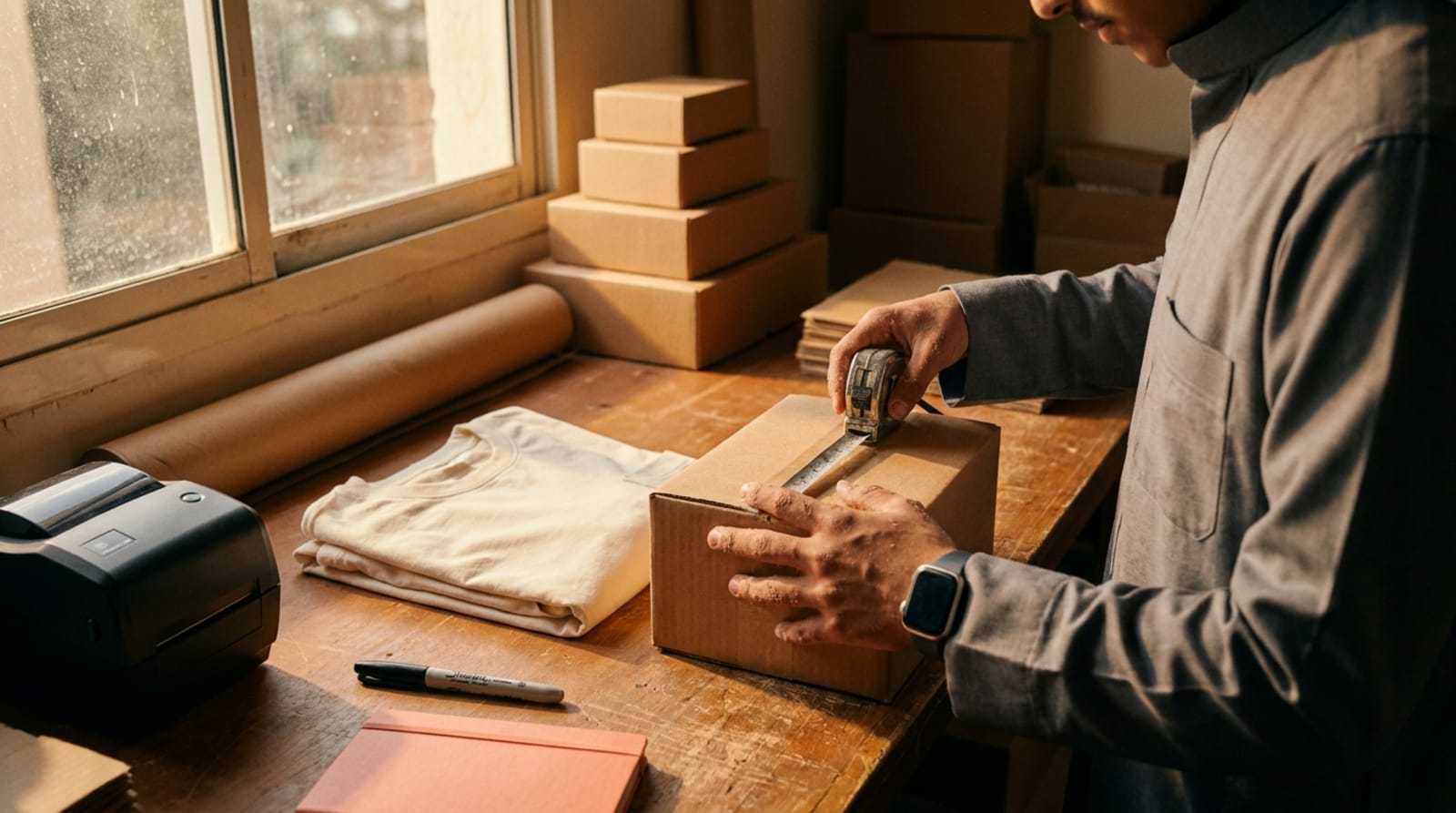
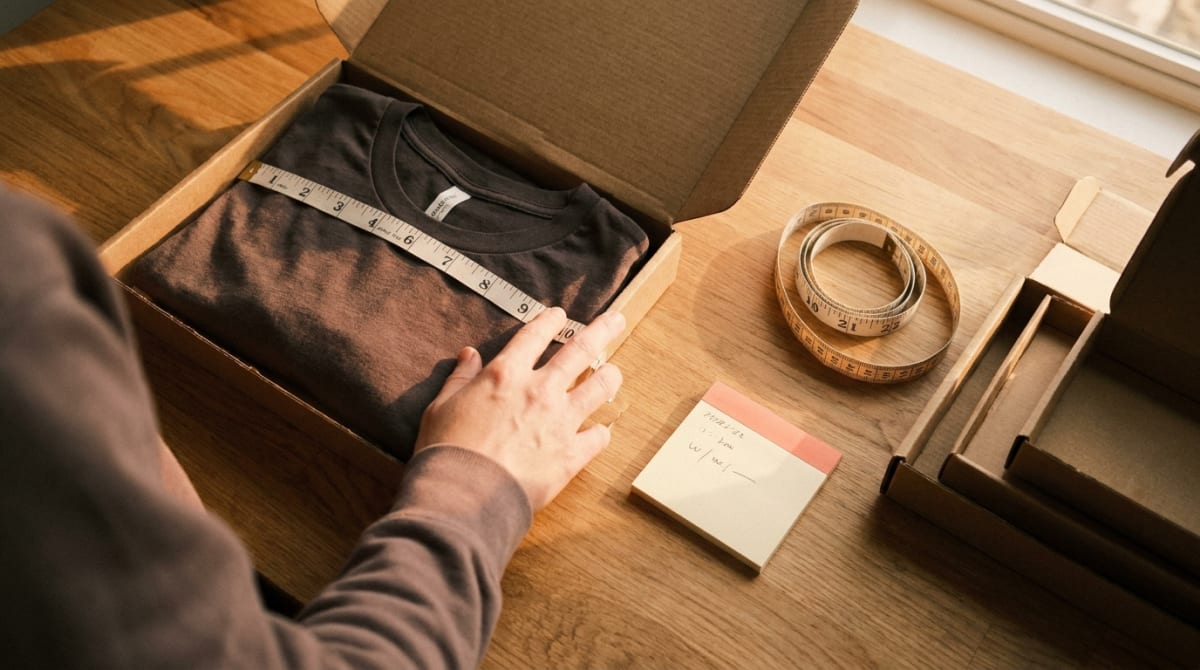
Right-size packaging to the product. Choose a box or mailer that fits the item instead of a big carton. This lowers dimensional weight directly, cuts filler, and protects the product better. Review your best-selling sizes and prepare dedicated packaging for them.
-
Negotiate your rates or pool your shipments. A small store pays retail; volume is what unlocks a discount. If your own volume is not enough yet, pooling through one partner that combines your shipments with others gets you a blended rate you cannot reach solo.
-
Tune your zone and inventory strategy. The shorter the distance between your stock and the customer, the lower the price and the faster the delivery. Store near your main markets, and if you sell across scattered regions, consider splitting inventory across more than one location.
-
Set a deliberate free-shipping threshold. Free shipping is a powerful marketing tool, but it is not free to you. Set the threshold just above your average cart, so customers add an item to reach it, and the higher order value covers the shipping cost or more.
-
Cut failed deliveries and returns. Every failed delivery makes you pay to ship twice. Ask for an accurate address and a confirmed number, send tracking alerts, and write clear descriptions and dimensions to reduce "not as expected" returns.
-
Use volume pricing through a fulfillment partner. As your store grows, a single logistics partner that pools its clients' volume gives you shipping rates better than retail and frees you from negotiating and operating, so you save on price and time at once.
Common mistakes that eat the savings
The biggest mistake is looking at the price of one shipment and ignoring the full cost. A parcel that arrives cheap but comes back as a return costs more than a pricier shipment that lands right the first time. The second mistake is one package for every product: a small item in a big box pays for the empty space. The third is burying the whole shipping cost in the price until your product is uncompetitive, or loading all of it onto the customer until they abandon the cart. Shipping is a balancing decision, not a box you fill once and forget.
Before you negotiate with any carrier, calculate your average dimensional weight and your most frequent zones. The numbers in your hand are your leverage, and the side that knows its numbers always gets the better rate.
Where Tamm fits
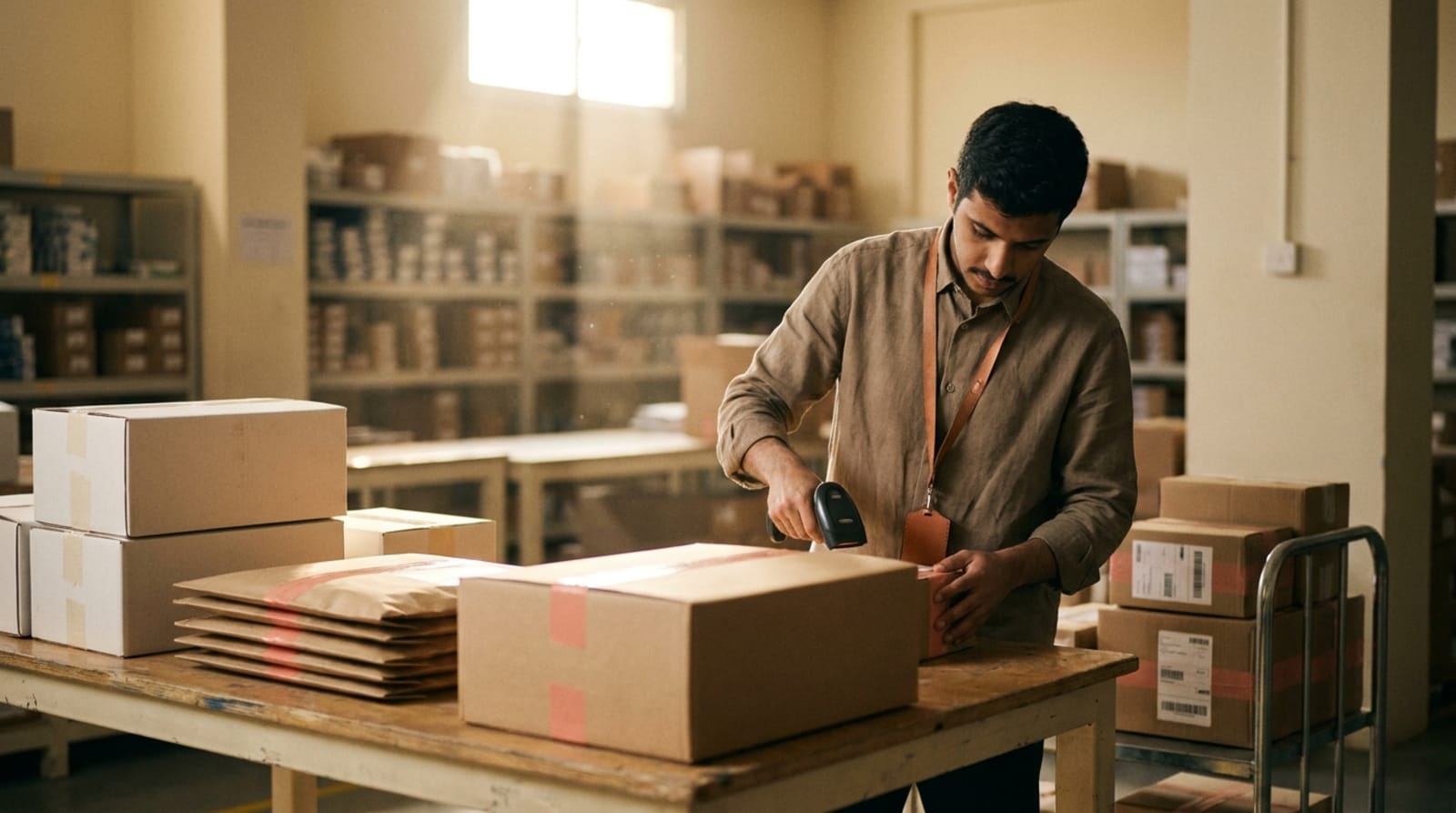
Tamm is the factory and the warehouse behind your store. You sell on Salla, Zid or Shopify, or any platform through the API; we print your designs on demand, store your stock, and pack and ship every order under your name from inside Saudi Arabia, then send the tracking number back to your store. Read about print on demand and storage and shipping.
Conclusion
Reducing shipping costs is the sum of small decisions, not one leap: right-size packaging, negotiate or pool for volume pricing, store near your customers, tune your free-shipping threshold, and stop the bleed from failed deliveries and returns. Start with the fastest lever, and measure its impact on the full cost, not the price of a single shipment. As your store grows, leaning on a fulfillment partner that pools volume becomes the single strongest lever, because it lowers the price and frees your time at once. Shipping will always be a cost, but managing it deliberately turns it from a drain on profit into a competitive edge in your hands.
Frequently asked questions
- What is the fastest way to reduce shipping costs?
- Start by right-sizing your packaging. Most carriers charge on dimensional weight, so a big half-empty box costs you for its air. A box sized to the product cuts the bill immediately without touching anything else.
- Does free shipping mean losing money on every order?
- Not necessarily. Shipping is never truly free, it is paid somewhere. The trick is to set a free-shipping threshold a little above your average cart, so customers add items and the higher order value covers the shipping.
- Why do failed deliveries and returns cost so much?
- Because you pay to ship at least twice: once for the failed attempt and again for the retry or return, plus restocking. Accurate addresses, confirmed numbers, and clear expectations shrink that waste.
- Can I get better rates by negotiating?
- Yes, but leverage comes from volume. A small store pays retail rates, while high or pooled volume earns discounts. Consolidating your shipments through one partner gets you a rate you cannot reach alone.
- How does a zone strategy lower shipping cost?
- The farther your stock is from the customer, the higher the bill and the slower the delivery. Storing goods closer to your main markets shortens the distance, so the price drops and parcels arrive faster.